

How analyzing over 200,000 documents helps identify trends, narratives, and information threats
Introduction: Why Manual Monitoring No Longer Works
The Belarusian media landscape has been undergoing an unprecedented transformation since 2020.
Independent media are forced to operate in exile. Their content is deemed extremist and poses a security threat to the Belarusian internet audience. State-run media, pro-government Telegram channels, and YouTube propagandists produce thousands of pieces of content daily.
Monitoring this flow manually is impossible. Even more challenging is trying to identify patterns: how narratives evolve, where new information campaigns originate, and what manipulative techniques are used systematically.
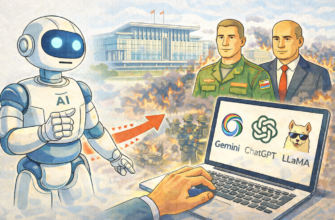
To address these challenges, the FactCheck.LT team developed Foresight Analysis, an AI-based media monitoring and analysis system that processes over 200,000 documents and enables the identification of patterns inaccessible through manual analysis.
The scale of the challenge
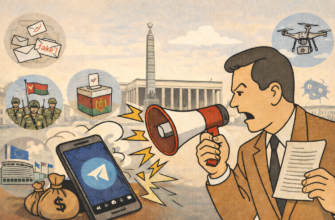
Belarus’s state propaganda machine operates like a well-oiled conveyor belt. BelTA publishes 200-300 materials daily. ONT, STV, and Belarus 1 produce dozens of hours of video content. Pro-government Telegram channels like “Pul Pervogo,” “Zholtye Slivy,” and others coordinately disseminate and amplify narratives. YouTube propagandists generate hours of monologues.
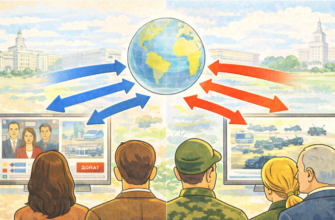
Democratic media operate with limited resources and repressive access to their content in Belarus, yet they also produce a significant amount of content.
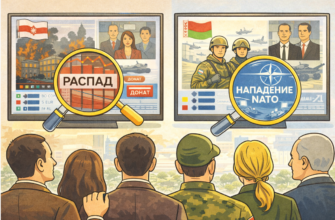
Without automated monitoring, researchers, civil society activists, journalists, and political actors miss critical signals. New narratives are launched and tested weeks before large-scale promotion. The simultaneous appearance of identical talking points in different channels indicates centralized control, but without specialized tools, this coordination is difficult to detect. “Defensive” rhetoric is gradually giving way to “threatening” rhetoric, information campaigns are tied to political events—and all of this escapes the attention of manual analysis.
What is Foresight Analysis?
Foresight Analysis— is a system that combines methodologies from computational sociology, OSINT, and machine learning into a single RAG system adapted to the specifics of a region.
The system’s key advantage is not simply the volume of data processed, but the team’s expertise in interpreting the results. Machine learning algorithms identify patterns, but it is the understanding of the political context, knowledge of actors, and years of monitoring experience that enable the data to be translated into practical conclusions.
As of January 2026, the system is working with a corpus of over 200,000 documents for the period 2025-2026, covering state media, democratic media, Telegram channels of both camps, YouTube video transcripts, TikTok data, and expert materials. The corpus is constantly updated and manually curated to ensure data quality.
Open-source data collection was made possible through a partnership with Oxylabs as part of the programProject 4β, which provided the infrastructure for ethical and scalable collection of public information.
Analytical capabilities
Foresight Analysis includes a set of specialized analytical modules, each answering specific research questions. The modules are developed based on recognized methodological frameworks and adapted to the specifics of the Belarusian context.
Analysis of the European Choice
Tracks the evolution of attitudes toward the European Union in Belarusian discourse, working with pro-European, Eurosceptic, pragmatic, and “Eastern” frames. The system captures the dynamics of shifting dominant narratives in relation to political events.
Analysis of national identity
Explores how Belarusian identity is constructed in various media, tracing competing narratives: from a sovereign nation to “Slavic brotherhood” and the Soviet legacy.
Fragility index
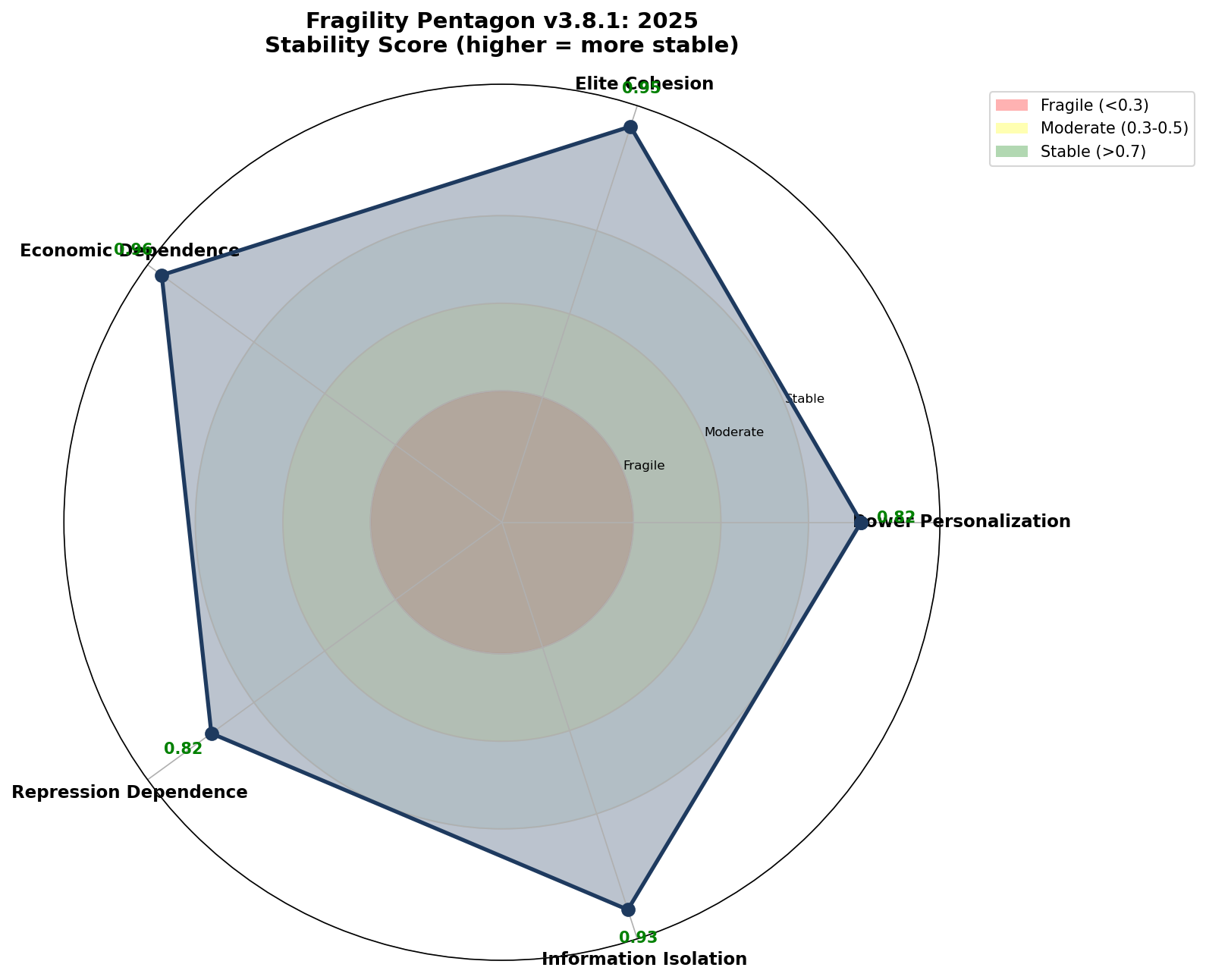
Assesses the resilience of Belarusian statehood across five dimensions, based on an adapted Fund for Peace methodology, analyzing political legitimacy, economic resilience, social cohesion, security, and external influence.
Analysis of the nuclear narrative
This module became especially relevant after the deployment of tactical nuclear weapons and the announcement of the Oreshnik system. The module tracks the dynamics and framing of nuclear themes—defensive, threatening, or prestigious.
Discourse Analysis on Disinformation
It documents how the terms “fake,” “disinformation,” FIMI, and DIMI are used, who’s blaming whom, and how “information warfare” as a concept is evolving.
Analysis of discourse toxicity
Measures the level of aggressive rhetoric, its spread to related topics, and markers of dehumanization of opponents.
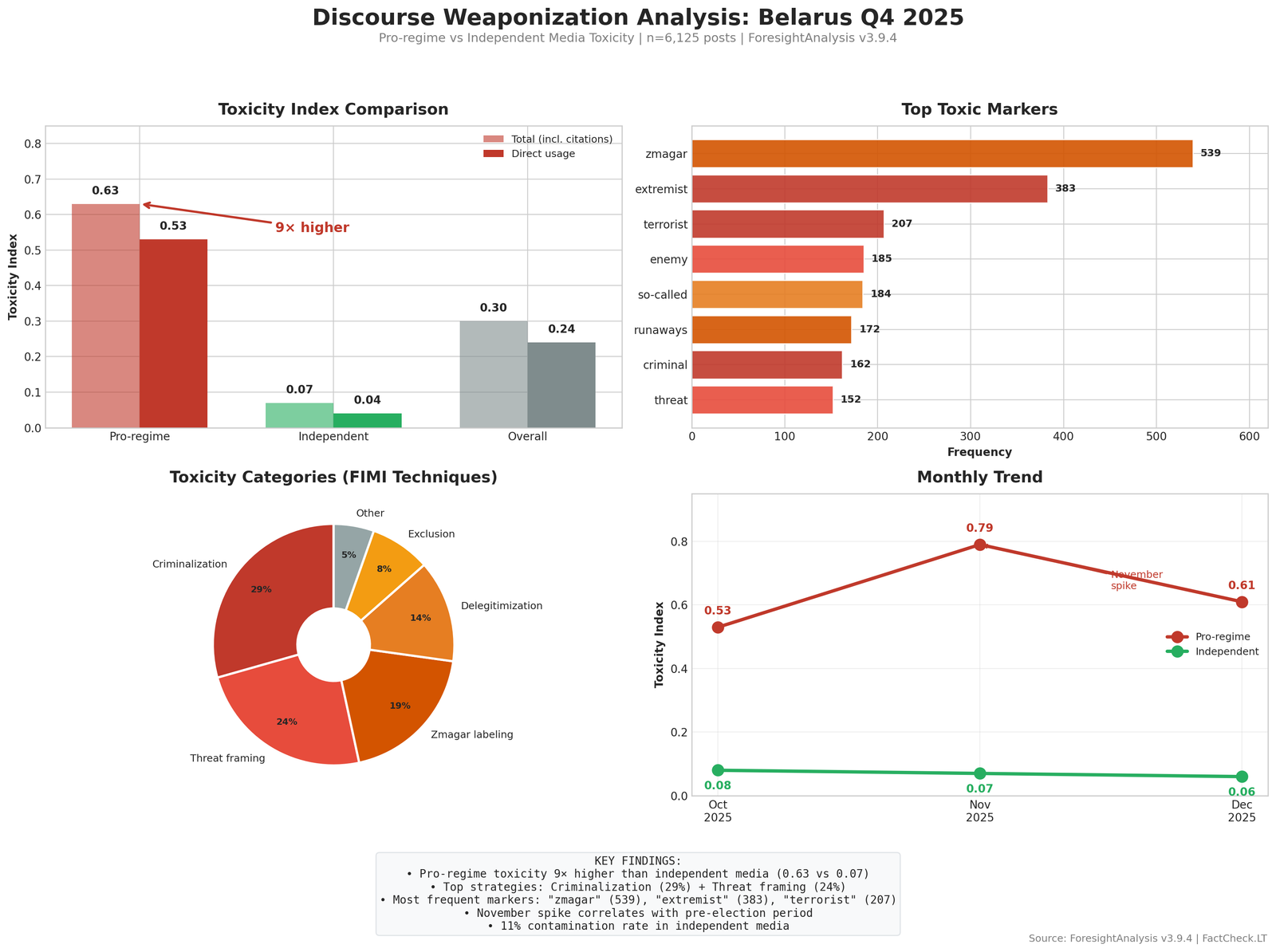
An analysis of 6,125 publications for Q4 2025 revealed that the toxicity of pro-government discourse (0.63) is nine times higher than that of independent media (0.07). The main strategies are criminalization of opponents (29%) and threat construction (24%).
The most common markers of toxic discourse are “zmagar” (539 mentions), “extremist” (383), and “terrorist” (207). This indicates a systematic campaign to criminalize dissent.
“Alarming signal: 11% of independent media publications contain toxic vocabulary borrowed from pro-government discourse—an effect of “contamination” of the information space.
The system also includes modules for scenario analysis, tracking progress against the democratic movement’s strategic goals, comparative analysis between media segments, and weighted analysis of narrative intensity.
Early warning
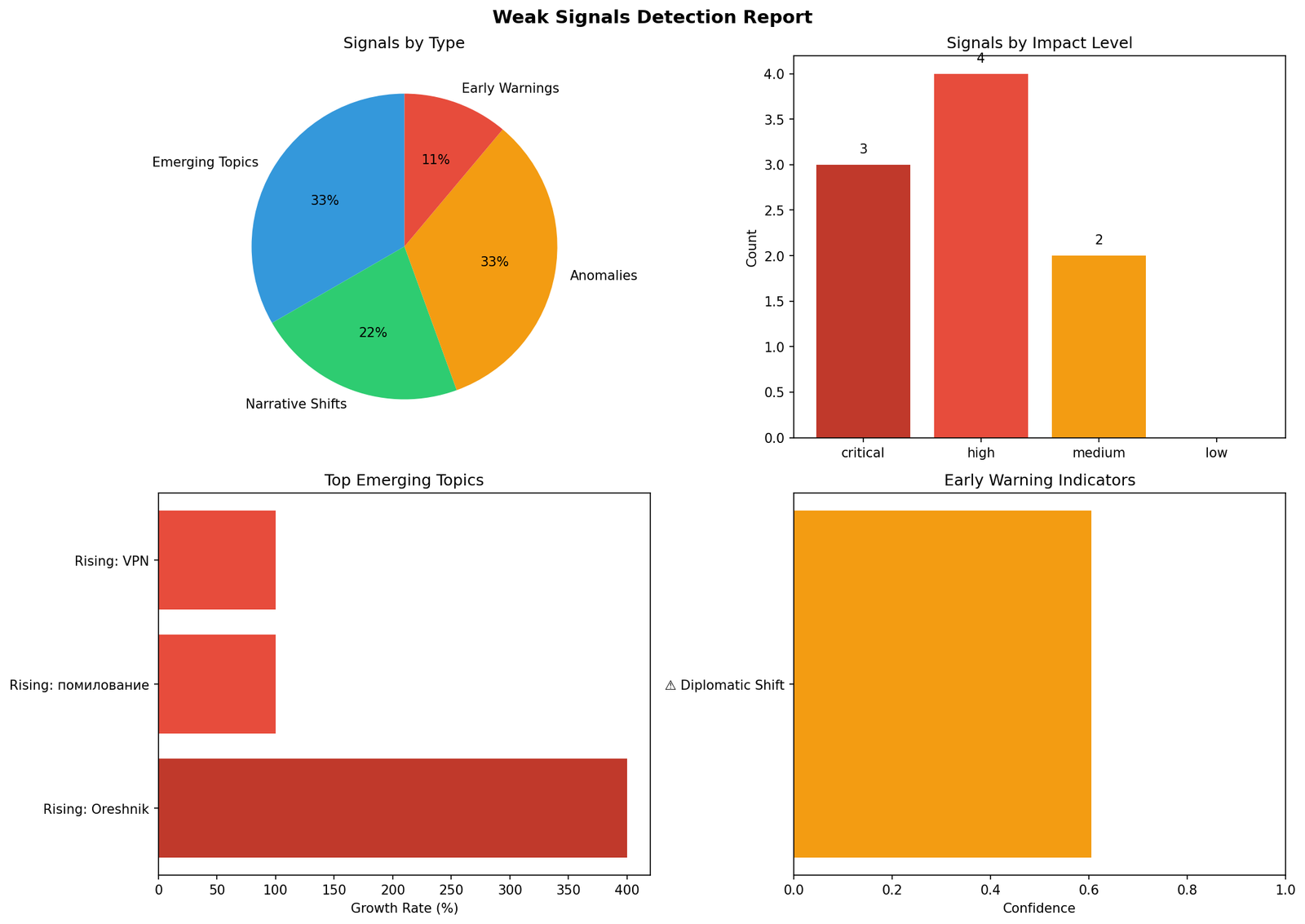
In addition to regular analysis, the system includes a mechanism for early detection of emerging trends—a weak signal detector. This allows it to identify new themes, shifts in the tone of existing narratives, anomalous patterns, and indicators of potential political change before they become apparent through manual monitoring.
Quality control
AI systems tend to generate plausible but inaccurate statements. Foresight Analysis includes a multi-stage verification system, where each factual statement is verified against source documents, critically analyzed, and assigned a confidence level. Final conclusions are always verified by experts—automation does not replace, but rather enhances, human analysis.
Application
Foresight Analysis results are used to support:
For fact-checkers
- Prioritizing topics for testing based on prevalence
- Tracking the evolution of narratives
- Identifying coordinated campaigns
For researchers
- Quantitative analysis of large corpora
- Comparative studies (state media vs. independent media)
- Time trend analysis
For civil society activists
- Monitoring threats and attacks on civil society
- Understanding the information landscape
- Evidence-based advocacy
For political actors
- Assessing the effectiveness of sanctions through discourse analysis
- Understanding domestic political dynamics
- Forecasting the development of the situation
For journalists
- Trend-based search
- Context for current events
- Identifying under-researched topics
Restrictions
It’s important to understand the limitations of the system’s capabilities. Foresight Analysis analyzes discourse, not reality—the system does not predict specific events. AI tools do not replace expert analysis, but rather complement it. The dataset is representative, but not exhaustive.
We adhere to strict ethical principles: working only with public data, transparency of methodology for partners, mandatory expert verification of conclusions, and impartiality in analysis.
Conclusion
Strategic communications must be based on data and its analysis.