

Key Findings / TL;DR
In November 2025, the information attack on Lithuania reached unprecedented levels. The closure of the Lithuanian-Belarusian border on November 9 became the central information trigger.
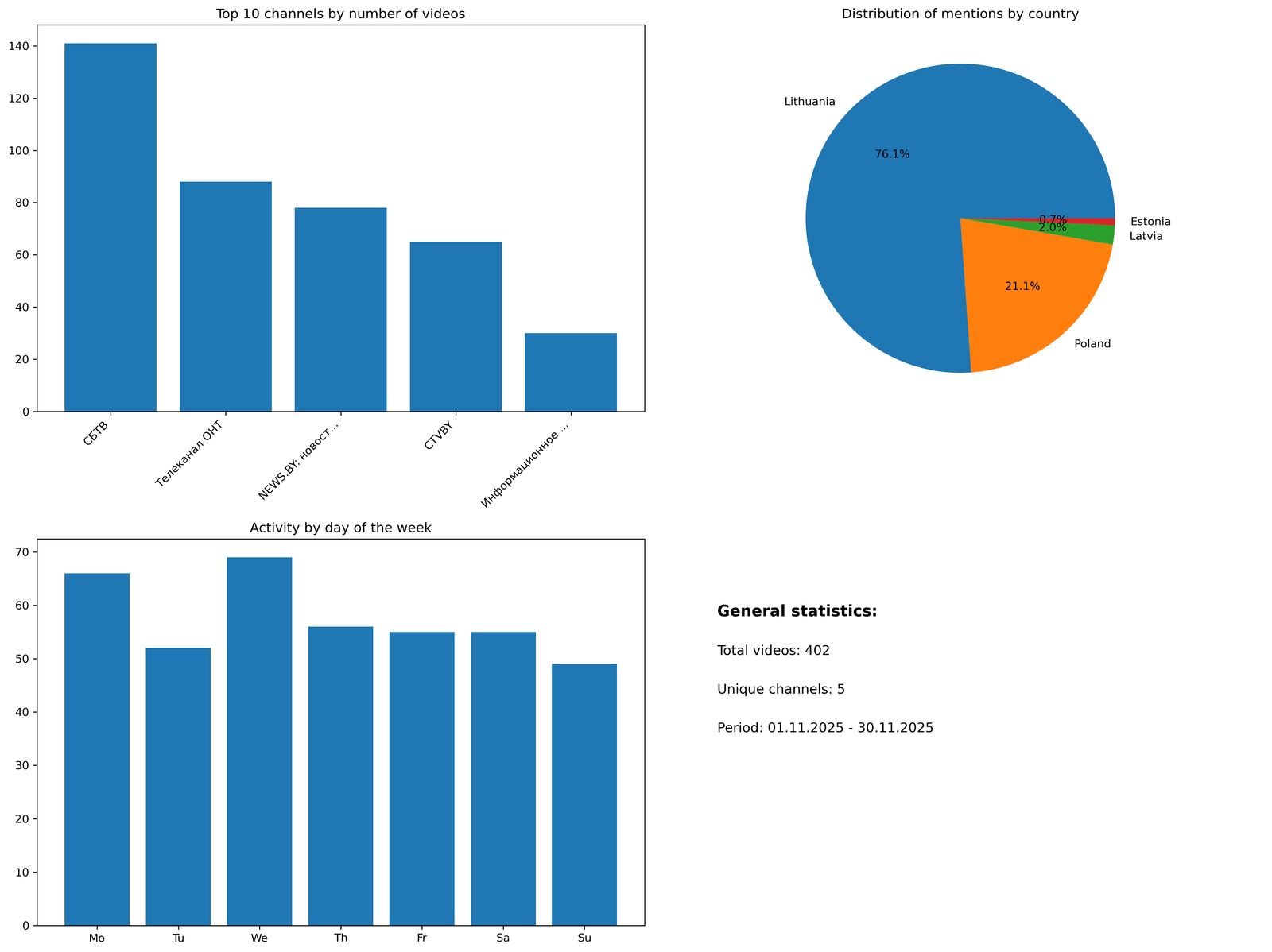
A total of 402 videos were identified. Lithuania was mentioned in 306 videos with over 27 million views — an absolute record.
Mentions Dynamics
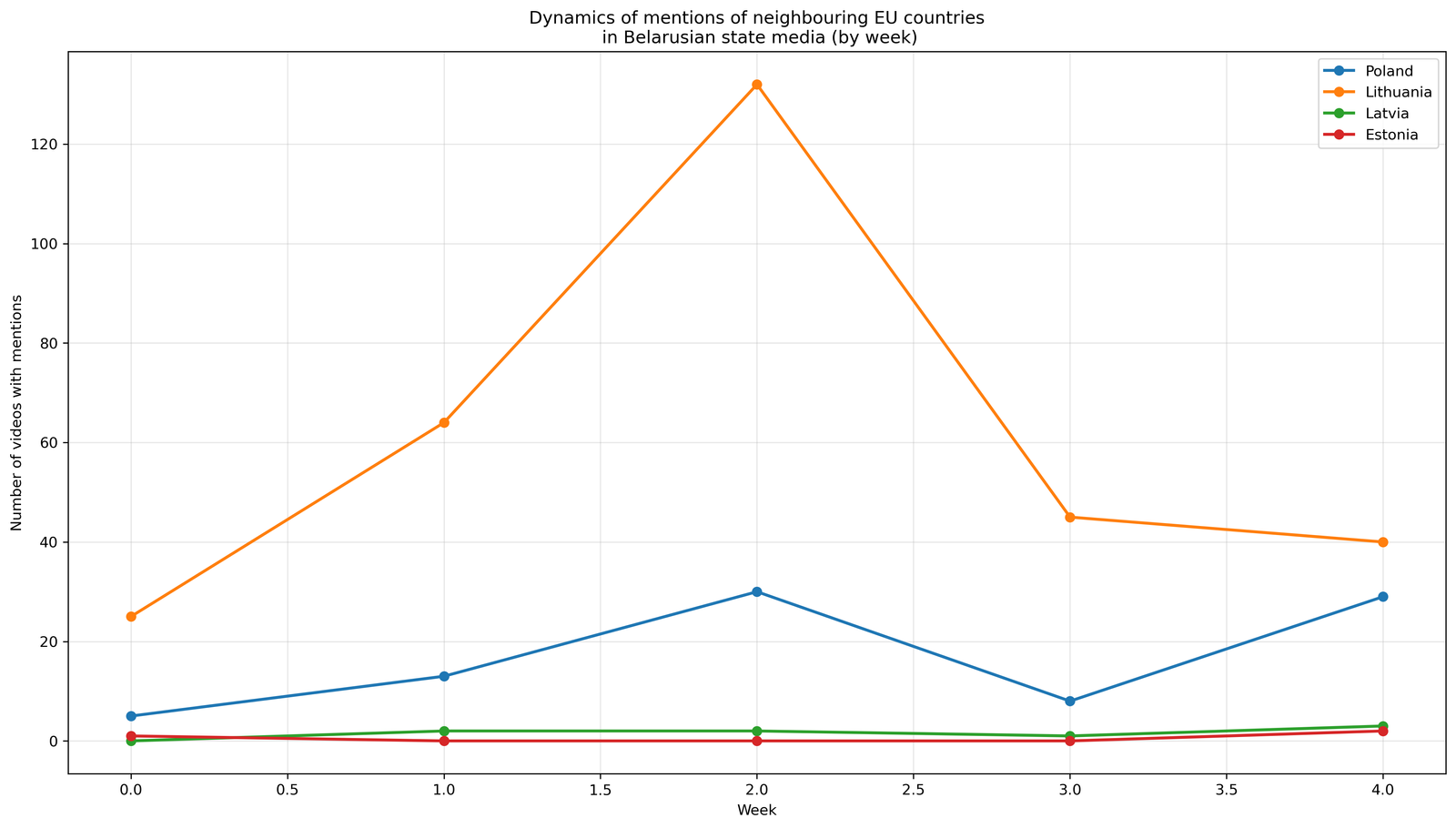
A sharp spike in Lithuania mentions during the second week of November (over 130 videos) — a threefold increase compared to the first week, linked to the border closure on November 9.
Distribution by Country
| Country | Share | Videos | Views |
|---|---|---|---|
| Lithuania | 76.1% | 306 | 27.3M |
| Poland | 21.1% | 248 | 20.3M |
| Latvia | 2.0% | 76 | 6.4M |
| Estonia | 0.7% | 42 | 3.7M |
LLM Disinformation Analysis
OpenAI gpt-4o-mini model analyzed: Lithuania — 306, Poland — 85, Latvia — 8, Estonia — 3 videos. 57 high-risk videos (≥7) were identified.
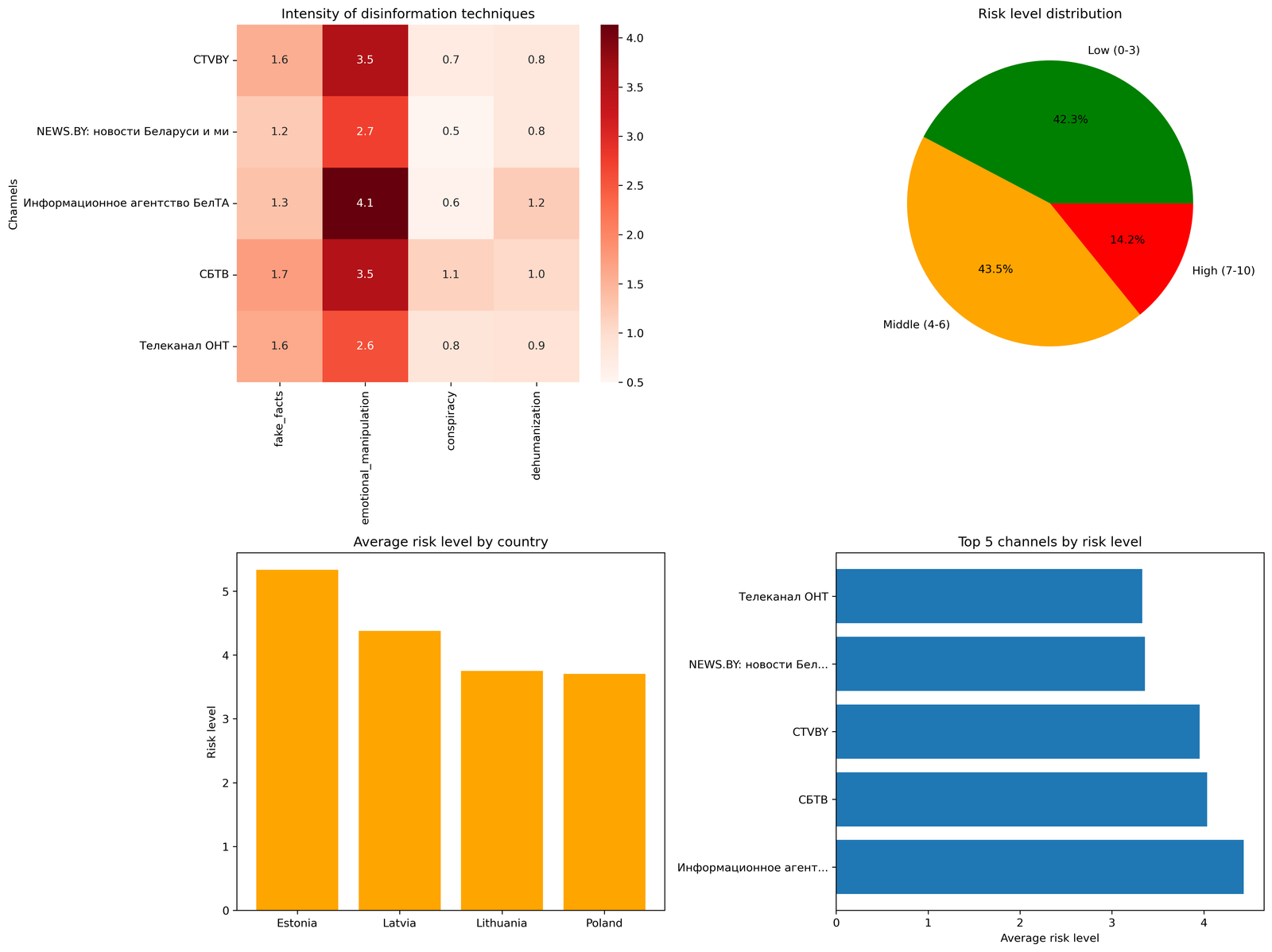
Coordination Evidence
Identical Phrases Across 5 Channels
SBTV, ONT, BelTA, NEWS.BY, CTVBY
Highest Risk Videos
Lithuania (44 videos with risk ≥7)
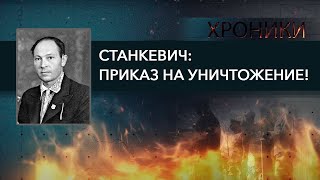
Created ghettos to kill Jews by thousands! // Stanislav STANKEVICH
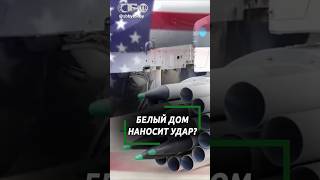
The White House no longer hides preparations for global nuclear war

WHO LAUNCHED BALLOONS INTO LITHUANIA? Spoiler: Lithuania
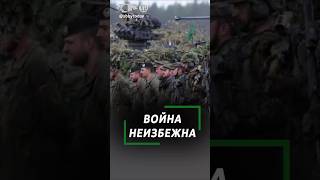
Europe prepares for war! What scenario is NATO rehearsing against Russia and Belarus?
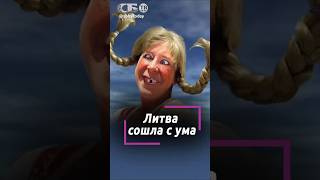
Lithuania demands money from Belarus for closing its own border!
WHO LAUNCHED BALLOONS INTO LITHUANIA? Spoiler: Lithuania
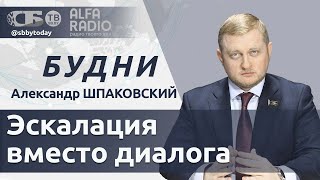
Shpakovsky: Hybrid war of Lithuania and Poland
Poland (13 videos with risk ≥7)
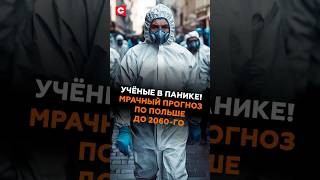
Forecast to 2060 is shocking! Poland’s population will shrink by 9 million!
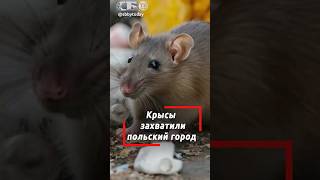
Shocking rat infestation in Poland!
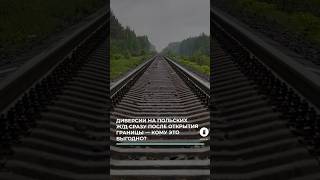
Sabotage on Polish railways — who benefits?
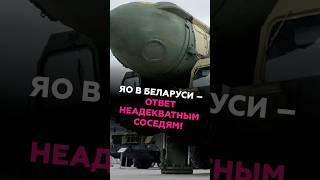
Nuclear weapons in Belarus — response to inadequate neighbors!
Latvia (8 videos, no high-risk)
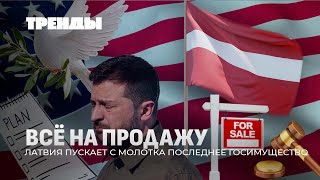
Latvia sells off state property
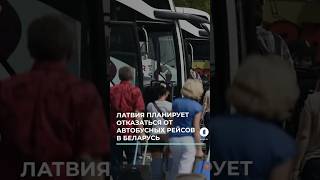
Riga prepares to ban bus service with Belarus
Estonia (3 videos)
Estonia pays for “independence” from Russia: new energy fee
Blackouts in Estonia. Consequences of leaving BRELL
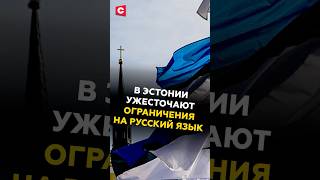
Estonia tightens restrictions on Russian language
Comparison with October 2025
| Metric | October | November | Change |
|---|---|---|---|
| Total videos | 357 | 402 | +12.6% |
| Lithuania share | 49% | 76% | +27 pp |
| Views (Lithuania) | 7M | 27M | +286% |
Conclusions
November data reveals a qualitative shift in the information policy of Belarusian state media. While in October attention was distributed relatively evenly among neighboring countries, in November we observe a deliberate concentration on a single target — Lithuania.
The closure of the Lithuanian-Belarusian border on November 9 became not just a news event, but a trigger for a large-scale coordinated campaign. The threefold increase in videos about Lithuania within a single week and the nearly fourfold growth in views (from 7 to 27 million) compared to October indicate a pre-planned response rather than spontaneous coverage of the event.
The nature of the content deserves particular attention. Videos with the maximum risk level (10 out of 10) exploit themes of the Holocaust and nuclear war — topics with the highest emotional charge. This is not a random choice: such content is designed for maximum virality and emotional impact on the audience.
Coordination data confirms the centralized nature of the campaign. Identical phrases repeated verbatim across five formally independent channels point to a single content production center. This is not a coincidence of editorial decisions, but work according to common “temniki” (topic guidelines) — a methodology well documented in studies of Russian and Belarusian state propaganda.
The geography of the attack is also telling. Estonia, which does not share a border with Belarus, received minimal attention — only 3 analyzed videos. Latvia, despite sharing a border, also remained on the periphery — 8 videos. Poland, despite its active role in sanctions policy, took a back seat as well. This suggests the campaign was reactive — a response to Lithuania’s specific action of closing the border — rather than part of a systematic strategy to discredit all neighbors.
From a target audience perspective, 27 million views of videos about Lithuania represents significant reach. Considering that Belarus has a population of about 9 million and the Russian-speaking YouTube audience in the region is much broader, we can speak of an attempt to shape a negative image of Lithuania not only among Belarusians but also among Russian-speaking residents of other countries.
For Lithuania, these data underscore the need to be prepared for information attacks in response to any political decisions regarding Belarus. Border closure is a sovereign right of any state, yet it predictably becomes grounds for a propaganda campaign. Understanding this pattern allows for advance preparation of counter-narratives and informing the public about the anticipated information wave.
Methodology
Period: November 1-30, 2025
Sources: YouTube channels SBTV, ONT, NEWS.BY, CTVBY, BelTA
AI analysis: OpenAI gpt-4o-mini (Lithuania — 306, Poland — 85, Latvia — 8, Estonia — 3 videos)