
4,374 materials · 14 countries monitored · Baltic + Weimar + V4 + Iberia + Benelux
|
4,374
Total materials
|
1,725
AI deep-analyzed
|
1341
Propaganda identified
|
653
High risk
|
14
Countries monitored
|
• Top target by volume: 🇫🇷 France: 1,394 materials. Followed by: 🇩🇪 Germany (1,212), 🇵🇱 Poland (967).
• Top narrative: Internal problems: 378 materials in deep analysis (28% of identified propaganda).
• Multimodal FIMI on YouTube: Baltic cluster 25.6%, Weimar Triangle 27.7%. Highest country: 🇧🇪 Belgium (52.9% on 17 videos).
• AI: 1,725 materials processed, 653 flagged as HIGH risk (37.9%). 1341 identified as propaganda (excluding neutral and not-about-targets).
• Coordination: TASS cited in 157 materials — primary amplification pipeline from Russian state media. 93 coordination events detected across 31 days.
Mentions by Country
🇫🇷 France leads with 1,394 materials.
| 🔶 🇵🇱 Poland | 967 | |
| 🔵 🇱🇹 Lithuania | 511 | |
| 🔵 🇱🇻 Latvia | 685 | |
| 🔵 🇪🇪 Estonia | 308 | |
| 🔶 🇩🇪 Germany | 1,212 | |
| 🔶 🇫🇷 France | 1,394 | |
| 🟢 🇨🇿 Czech Republic | 232 | |
| 🟢 🇭🇺 Hungary | 199 | |
| 🟢 🇸🇰 Slovakia | 65 | |
| 🟠 🇪🇸 Spain | 325 | |
| 🟠 🇵🇹 Portugal | 88 | |
| 🟣 🇳🇱 Netherlands | 122 | |
| 🟣 🇧🇪 Belgium | 103 |
Propaganda Narratives
| Country | Propaganda materials | Dominant narrative | Distinctive feature |
|---|---|---|---|
| 🔶 🇵🇱 Poland | 403 | Internal problems (23%) | 156 videos |
| 🔵 🇱🇹 Lithuania | 199 | Military buildup (33%) | Military buildup 33% |
| 🔵 🇱🇻 Latvia | 180 | Military buildup (32%) | Military buildup 32% |
| 🔵 🇪🇪 Estonia | 80 | Military buildup (26%) | 43 videos |
| 🔶 🇩🇪 Germany | 270 | Military buildup (26%) | 181 videos |
| 🔶 🇫🇷 France | 234 | Internal problems (43%) | Internal problems 43% |
| 🟢 🇨🇿 Czech Republic | 36 | Arms to Ukraine (33%) | Arms to Ukraine 33% |
| 🟢 🇭🇺 Hungary | 53 | Internal problems (37%) | Internal problems 37% |
| 🟢 🇸🇰 Slovakia | 20 | Arms to Ukraine (43%) | Arms to Ukraine 43% |
| 🟠 🇪🇸 Spain | 96 | Internal problems (35%) | Internal problems 35% |
| 🟠 🇵🇹 Portugal | 16 | Internal problems (29%) | propaganda 8.77/10 |
| 🟣 🇳🇱 Netherlands | 44 | Internal problems (33%) | Internal problems 33% |
| 🟣 🇧🇪 Belgium | 23 | Internal problems (50%) | Internal problems 50% |
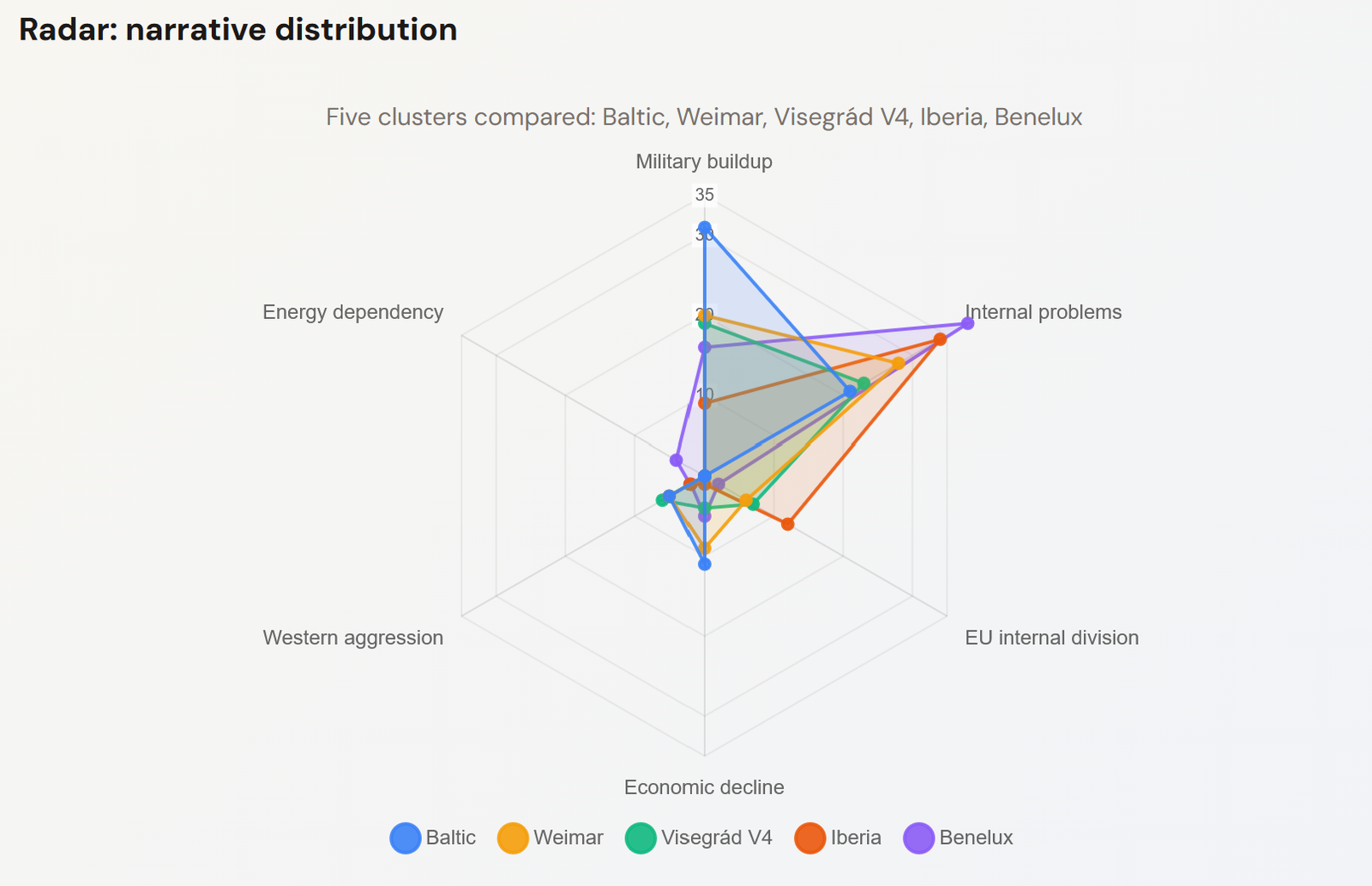
The Weimar Triangle countries (Poland, Germany, France) receive fundamentally different propaganda treatment than the Baltic states. While the Baltics face a monotonal military threat narrative, each Weimar country is attacked through its unique perceived vulnerability.
|
🔵 Baltic States: military monotone
|
🔶 Weimar Triangle: diversified attack
|
The Visegrád Four (Poland, Czech Republic, Hungary, Slovakia) are framed through a third lens. Here the dominant narrative is EU internal division: Hungary and Slovakia are cast as the “voice of reason” against Brussels. Poland appears in both Weimar and V4 clusters as an analytical lens, not double-counted in totals.
|
🟢 V4: EU-division dominant
|
🇵🇱 Poland: two contexts
In the Weimar context Poland is attacked as a Western military partner; in the V4 context it appears among Central European neighbours where the EU-division frame dominates. One dataset, two strategic constructions. |
July confirms what May and June recorded: the personalised Hungarian storyline is closed. 199 materials against 218 in May, not a single named figure on thumbnails (Orbán 0, Magyar 0), while what remains still runs hot (propaganda 7.98/10). Hungary is now fully absorbed into the generic anti-EU frame: the month’s leading categories are neighbours’ internal problems and EU internal division, the same lenses applied to the rest of the V4. There is no distinct Hungarian story in July, and that absence is itself the finding.
| 37% | |
| 19% | |
| 15% | |
| 12% | |
| 7% | |
| 5% |
Spain and Portugal enter the monitoring scope with this issue. Volumes are an order of magnitude below the core clusters (325 materials on Spain, 88 on Portugal); the cluster is read mainly through Spain, Portugal appears as background. This is expected for a first month and is stated rather than hidden.
|
🟠 Iberia: narrative mix
|
🇪🇸 Spain
🇵🇹 Portugal
|
Ceuta: the story entered the state agenda two days before the month ended
Spain produced 325 materials in July, and the daily distribution shows exactly how it came into view: 44 materials on 31 July alone, roughly 40 more in the final week, background before that. The trigger was the migration crisis in Ceuta. Belarusian state media picked it up in the last two days of the month with the frame already set: not a humanitarian situation on the border with Morocco but ‘migration chaos’ as a symptom of European weakness. The same stream carried both ‘up to 300 migrants a day’ and ‘49,000 in a day’, two incompatible figures presented as fact; the YouTube version added the old motif of the flow being funded by Soros. This is also where the highest cross-modal divergence of the whole issue sits: 28.2% of Spain-related videos pair an alarmist thumbnail with a low-threat transcript. Portugal (88 materials) stays in the background, mostly neutral news. The full Ceuta analysis, including how the same outlets treated the tunnels under the Latvian and Lithuanian border, follows in the August issue, where the volume exists to support it.
The Netherlands, Belgium and Luxembourg enter the scope with this issue (122, 103 and 13 materials). The cluster is read through the Netherlands; Belgium is background and Luxembourg is kept as a footnote without a country profile. Capitals are deliberately excluded from country matching: in this corpus “Brussels” means the EU and NATO in over 90% of cases and “The Hague” means international courts, not the country.
|
🟣 Benelux: narrative mix
|
🇳🇱 Netherlands
🇧🇪 Belgium
|
* Luxembourg is counted in the Benelux total but has no country profile: 13 materials this month.
Benelux in its first month: Belgium as the militarisation exhibit
Of the three countries in the cluster, only Belgium (103 materials) has a story of its own in July: the decision to almost double the armed forces by 2035, from 31,000 to 55,800, and the relaxation of medical requirements for recruits. Belarusian state media relayed it close to the original, with Defence Minister Francken quoted, but placed it alongside Polish and Baltic militarisation: Belgium is not a country in its own right here but one more proof that ‘Europe is preparing for war’. The Netherlands (122) is examined separately below. Luxembourg (13 materials) appears only as a footnote. The cluster’s thumbnail FIMI share (40.9%) is higher than in the core clusters, but it must not be read as heightened attention: the base is 44 video-country pairs, and most of them are omnibus shows on SB TV and Radio-1 where Belgium or the Netherlands are listed alongside five to nine other countries.
122 materials, 24 country-mentioning videos, FIMI indicators on 33.3% of thumbnails. July’s main observation: the Netherlands barely appears in Belarusian state media as a country. The leading text-layer category is military threat (62 of 131 mentions), yet inside the materials the Netherlands sits in lists: the ‘coalition of the willing’ arms Ukraine, Europe gives up Russian gas, Europe prepares for war. No distinct Dutch story comparable to the Belgian army or Spanish Ceuta emerged during the month; the one visible entry point is the farmers’ protests, carried in the title of SB TV’s ‘Budni’ talk show on 31 July, and there they illustrate a ‘revolt against the EU’ rather than tell anything about the country.
The method confirms the picture. The Hague and Rutte are deliberately excluded from the country aliases: in the July corpus 71% of Hague mentions contain no Netherlands at all (they are international courts), and Rutte’s items do not name the country in 89% of cases (he is NATO’s Secretary General). Counting them would nearly double the Dutch volume, but it would be volume about NATO and the ICC. The visual layer agrees with the text: the Netherlands has one of the lowest cross-modal divergence rates in the issue (8.3%), and its leading visual technique is stability framing, a rarity among target countries. For Belarusian state propaganda in July, the Netherlands is not a target but part of the backdrop called ‘Europe’.
Country Narrative Profiles
Each country has a distinct propaganda profile. Baltic states face a monotonal military threat; Weimar Triangle countries are attacked through individual vulnerabilities.
|
🇵🇱 Poland
|
🇱🇹 Lithuania
|
||||||||||||||||||||
|
🇱🇻 Latvia
|
🇪🇪 Estonia
|
||||||||||||||||||||
|
🇩🇪 Germany
|
🇫🇷 France
|
||||||||||||||||||||
|
🇨🇿 Czech Republic
|
🇭🇺 Hungary
|
||||||||||||||||||||
|
🇸🇰 Slovakia
|
🇪🇸 Spain
|
||||||||||||||||||||
|
🇵🇹 Portugal
|
🇳🇱 Netherlands
|
||||||||||||||||||||
|
🇧🇪 Belgium
|
The text layer of the mention analysis (threat categories per video) combined with thumbnail visual analysis (Vision LLM, codebook v2.1) reveals how the same propaganda system uses different visual packaging for different target countries.
Cluster comparison
| Cluster | Videos | Clickbait | Propaganda | FIMI %* |
|---|---|---|---|---|
| 🔵 Baltic States | 223 | 3.1 | 6.9 | 25.6% |
| 🔶 Weimar Triangle | 523 | 3.2 | 6.53 | 27.7% |
| 🟢 V4 | 267 | 3.33 | 6.78 | 28.5% |
| 🟠 Iberia | 50 | 3.46 | 6.84 | 40.0% |
| 🟣 Benelux | 44 | 3.3 | 6.98 | 40.9% |
| Country | Videos | Clickbait | Propaganda | FIMI %* | Top visual technique |
|---|---|---|---|---|---|
| 🔶 🇵🇱 Poland | 156 | 3.35 | 6.67 | 29.5% | appeal_to_authority |
| 🔵 🇱🇹 Lithuania | 83 | 3.3 | 7.65 | 30.1% | appeal_to_authority |
| 🔵 🇱🇻 Latvia | 97 | 2.97 | 6.87 | 21.6% | appeal_to_authority |
| 🔵 🇪🇪 Estonia | 43 | 3.02 | 5.53 | 25.6% | appeal_to_authority |
| 🔶 🇩🇪 Germany | 181 | 3.15 | 6.66 | 26.5% | appeal_to_authority |
| 🔶 🇫🇷 France | 186 | 3.12 | 6.28 | 27.4% | appeal_to_authority |
| 🟢 🇨🇿 Czech Republic | 54 | 3.28 | 6.07 | 25.9% | appeal_to_authority |
| 🟢 🇭🇺 Hungary | 44 | 3.2 | 7.98 | 27.3% | appeal_to_authority |
| 🟢 🇸🇰 Slovakia | 13 | 3.69 | 7.08 | 30.8% | whataboutism_visual |
| 🟠 🇪🇸 Spain | 39 | 3.41 | 6.3 | 38.5% | whataboutism_visual |
| 🟠 🇵🇹 Portugal | 11 | 3.64 | 8.77 | 45.5% | demonization |
| 🟣 🇳🇱 Netherlands | 24 | 2.96 | 7.01 | 33.3% | stability_framing |
| 🟣 🇧🇪 Belgium | 17 | 3.71 | 7.1 | 52.9% | whataboutism_visual |
* FIMI indicator restored under the updated methodology (visual codebook v2.1, EEAS operationalization). June 2026 is a calibration month: values are an upper-bound estimate; criteria will be refined in subsequent issues.
🧭 DISARM: Tactics & Techniques (indicative)
Starting with this issue, narrative categories and manipulation types identified by the AI analysis are translated into techniques of the open DISARM Red framework — the shared vocabulary of EEAS, FIMI-ISAC and the counter-disinformation community. Counts are materials carrying indicators of a technique; one material can map to several. Deterministic v0 translation layer, not per-item behavioural coding.
| ID | Technique | Materials |
|---|---|---|
| T0135 | Undermine | 513 |
| T0023 | Distort Facts | 487 |
| T0078 | Dismay | 383 |
| T0075.001 | Discredit Credible Sources | 378 |
| T0079 | Divide | 217 |
Coordination layer: T0002 — 216, T0084 — 216, T0119 — 72.
High-propaganda thumbnails: what the audience sees first
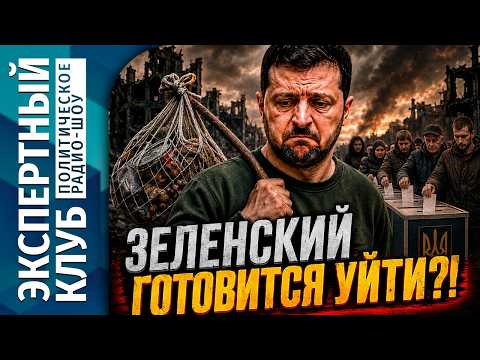
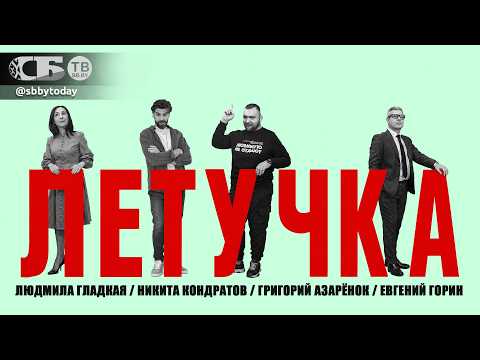
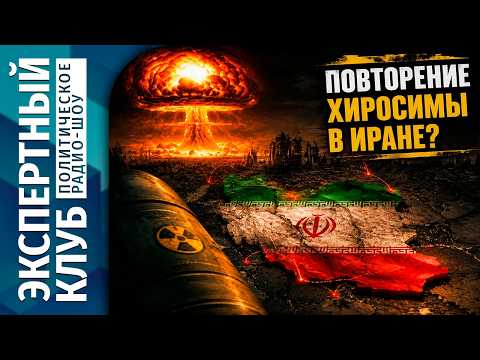
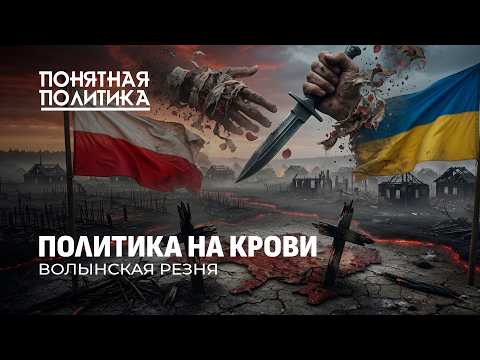
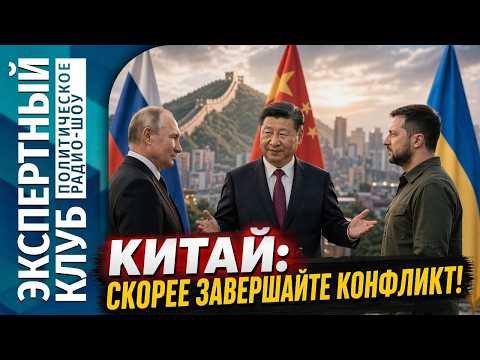
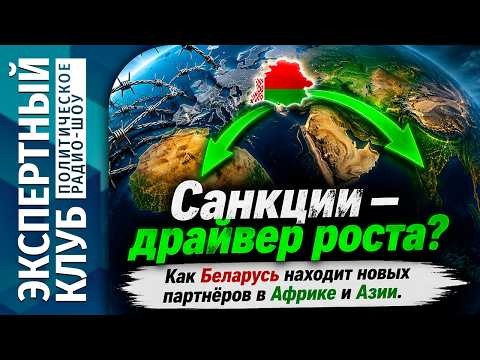
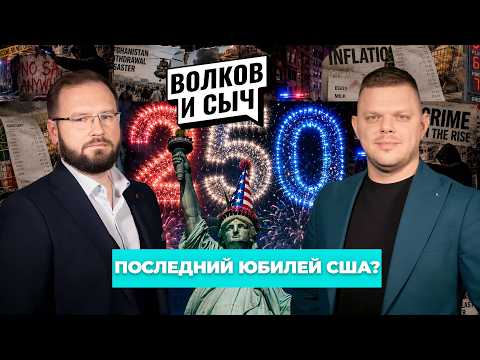
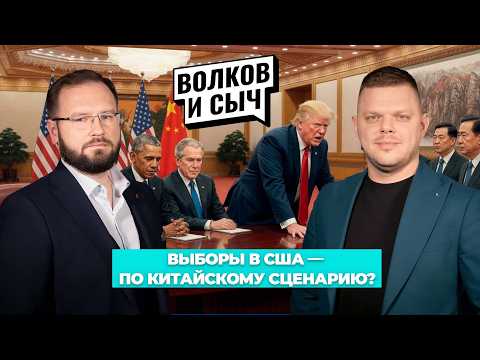
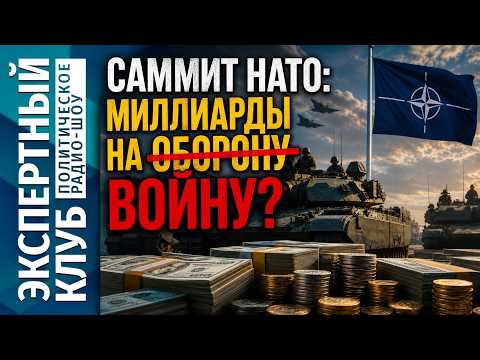
Real YouTube thumbnails from videos scored 8–9/10 on propaganda scale. These images are the first contact point with the audience — designed to trigger emotional response before the content is even consumed.
Cross-modal divergence: thumbnail vs content
A distinct May finding: for a share of videos the thumbnail is alarmist while the transcript’s assessed threat is low. The cover does emotional work the content does not. Divergence is highest for 🇪🇸 Spain (28.2%).
| Country | Divergence | Alarmist cover / low-threat text |
|---|---|---|
| 🟠 🇪🇸 Spain | 28.2% | 11/39 |
| 🔵 🇪🇪 Estonia | 20.9% | 9/43 |
| 🔶 🇵🇱 Poland | 19.9% | 31/156 |
| 🟠 🇵🇹 Portugal | 18.2% | 2/11 |
| 🔶 🇫🇷 France | 17.7% | 33/186 |
| 🟣 🇧🇪 Belgium | 17.6% | 3/17 |
| 🔶 🇩🇪 Germany | 16.0% | 29/181 |
| 🟢 🇸🇰 Slovakia | 15.4% | 2/13 |
| 🟢 🇨🇿 Czech Republic | 14.8% | 8/54 |
| 🔵 🇱🇹 Lithuania | 12.0% | 10/83 |
| 🔵 🇱🇻 Latvia | 11.3% | 11/97 |
| 🟢 🇭🇺 Hungary | 9.1% | 4/44 |
| 🟣 🇳🇱 Netherlands | 8.3% | 2/24 |
Claims for Fact-Checking
AI analysis extracted verifiable claims from high-risk materials. Claims are shown in the original Russian language as published by state media. Click ↗ to view the original material.
Verifiable claims requiring fact-check
Coordination
| Source | Citations |
|---|---|
| цитирование тасс | 111 |
| цитирование риа новости | 32 |
| ссылка на тасс | 20 |
| цитирование тасс как источника | 13 |
| цитирование белта | 12 |
| публикация на sb.by | 8 |
1. Two cluster strategies persist. In July 2026 the Baltic cluster (LT, LV, EE) accumulated 1,504 mentions, while the Weimar Triangle (PL, DE, FR) reached 3,573 mentions. Multimodal YouTube analysis shows Baltic FIMI at 25.6% and Weimar at 27.7% — both clusters operate as fully-formed propaganda targets, with Weimar slightly more intense.
2. 🇫🇷 France: top target by volume. With 1,394 materials, this country dominates the monitoring period. The dominant narrative is 43% Internal problems.
3. YouTube as propaganda amplifier. Multimodal analysis covered 951 video–country pairs across the target countries. The leader by share of FIMI-flagged thumbnails: 🇧🇪 Belgium (52.9%) (calibration-month upper-bound estimate).
4. TASS as the coordination backbone. TASS cited in 157 of analyzed materials, followed by RIA Novosti (40). This confirms that Belarusian state media functions as an amplification layer for Kremlin messaging, not as an independent editorial operation.
5. Factual manipulation dominates. Of all detected manipulation types, factual manipulation (cherry-picking real data to distort conclusions) accounts for 2065 cases — more than emotional (1298) and logical (1056) combined. This makes the propaganda harder to detect than outright fabrication.
6. Two new clusters, one order of magnitude smaller. Iberia (ES, PT) accumulated 413 materials and Benelux (NL, BE, LU) 238, against 1,504 for the Baltic cluster and 3,573 for Weimar. Each new cluster is read through one country (Spain, the Netherlands); the rest is background. Country matching uses country stems and demonyms only; capitals and politicians were tested and excluded because most of their mentions do not concern the country.
Methodology
Materials come from every source the FORESIGHT corpus classifies as Belarusian state-owned or pro-government media: state web outlets (BelTA, SB.BY, CTV, ONT, Mlyn, Zviazda and regional titles such as Grodnenskaya Pravda), state and pro-regime Telegram channels, and seven national state YouTube channels; regional YouTube channels stay outside the totals. Keyword-based monitoring covers fourteen countries in five clusters: Baltic (LT, LV, EE), Weimar Triangle (PL, DE, FR), Visegrád (PL, CZ, HU, SK), Iberia (ES, PT) and Benelux (NL, BE, LU). Poland is counted in two clusters as an analytical lens, not twice in totals. Luxembourg is counted in the Benelux total but has no country profile. For the two new clusters, country matching uses country stems and demonyms only: capitals and politicians were tested and excluded (Brussels appears without Belgium in 92% of documents, The Hague without the Netherlands in 71%, Rutte without the country in 82-97%). AI deep analysis used GPT-5-mini with structured output. Multimodal YouTube analysis combines the text layer of the mention analysis with thumbnail Vision LLM codebook v2.1. Average AI confidence: 82.1%.